Trinitron Mixtape is an experimental theater work that unfolds as radio play, live cinema, and dance performance simultaneously. Using fragments from the life of Blanche Barrow—the longest surviving member of the Bonnie and Clyde gang—as a point of departure, the piece explores memory, myth-making, gendered violence, Southern identity, longevity, and longing.
Rather than retelling a historical narrative, Trinitron Mixtape uses the mythology surrounding Bonnie and Clyde as a vehicle for poetic storytelling. Voices, images, and live performance drift between fact, rumor, broadcast, and dream, creating a landscape where personal memory collides with American folklore.
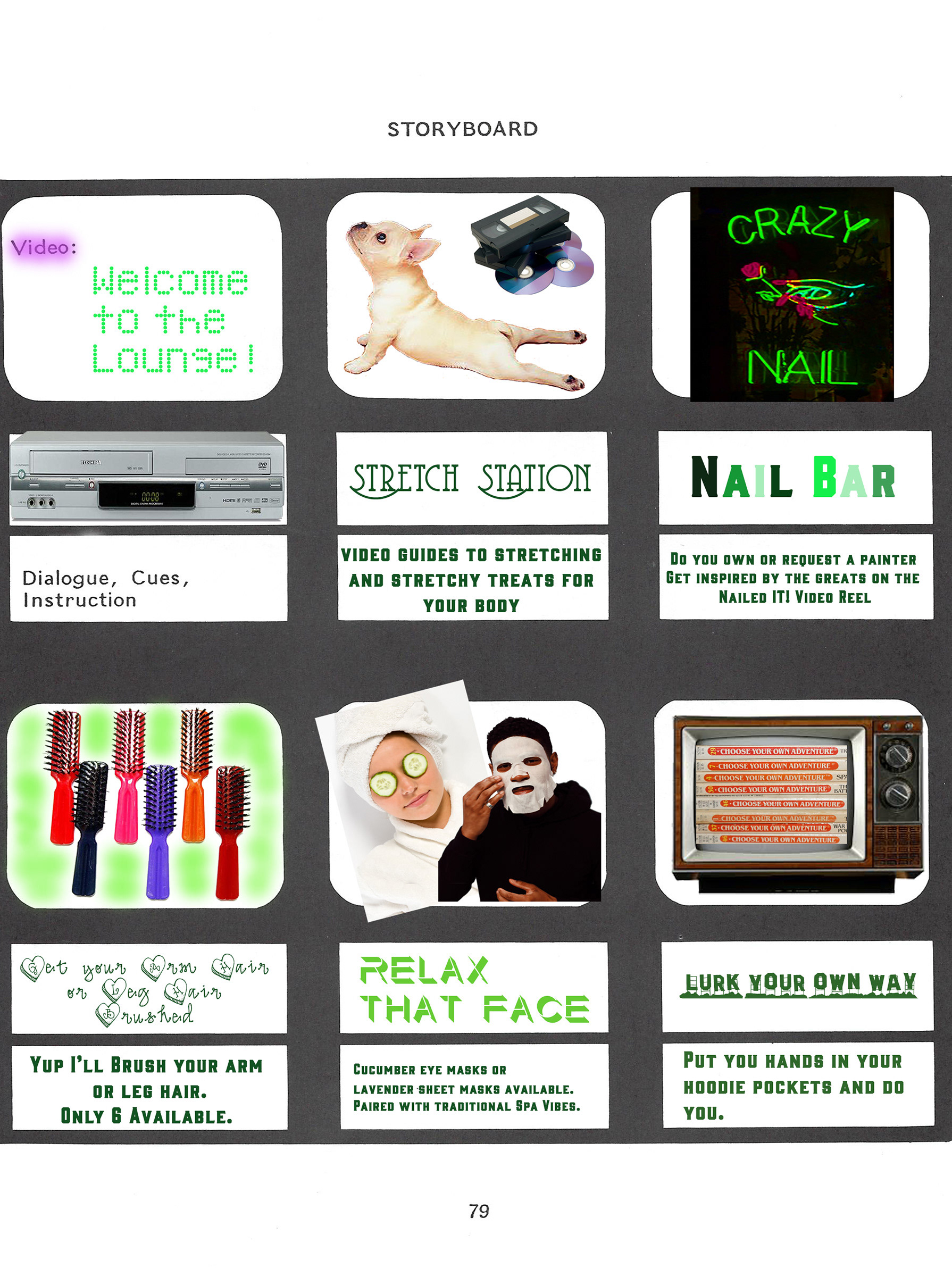
Part tribute and part media excavation, the work draws inspiration from analog dreamscapes, early video art, the voice behind the microphone, punk carpentry, television overload, and the pursuit of a disappearing signal. Original text and music accompany a performative installation in which image-making itself becomes part of the drama.
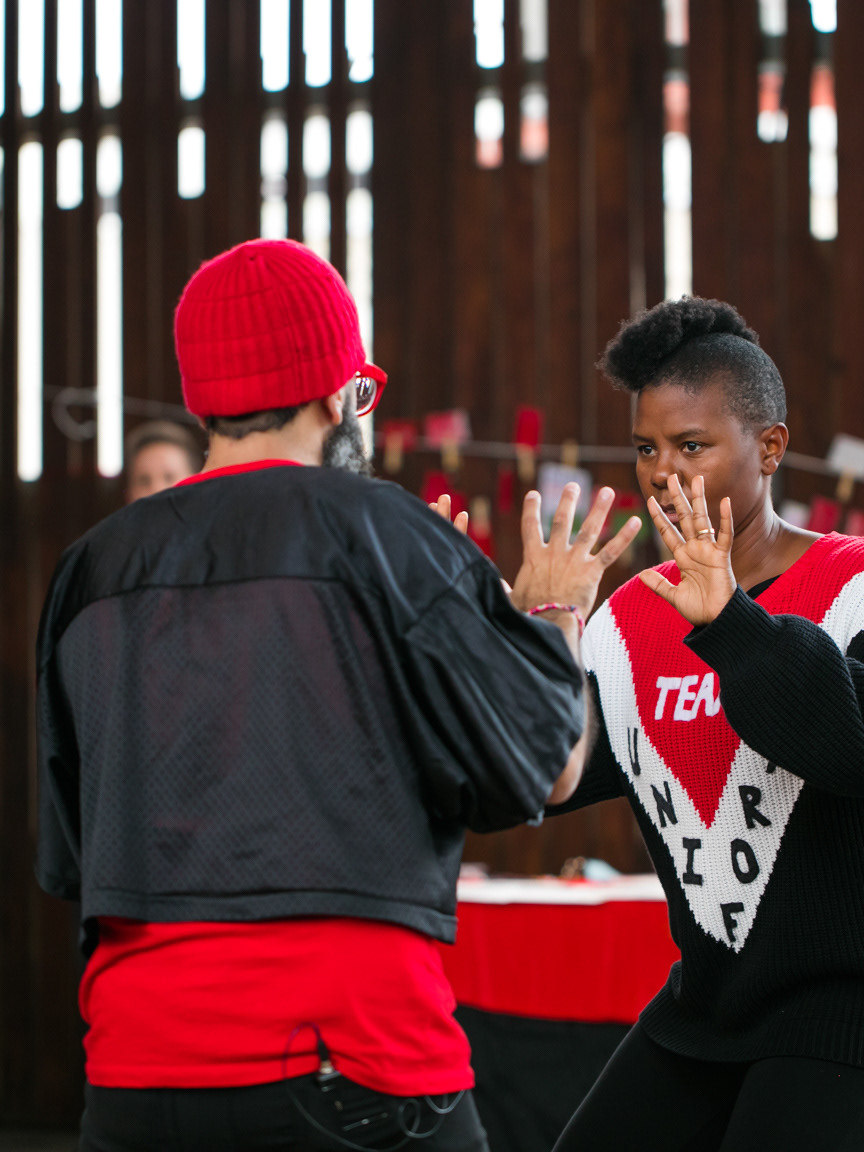
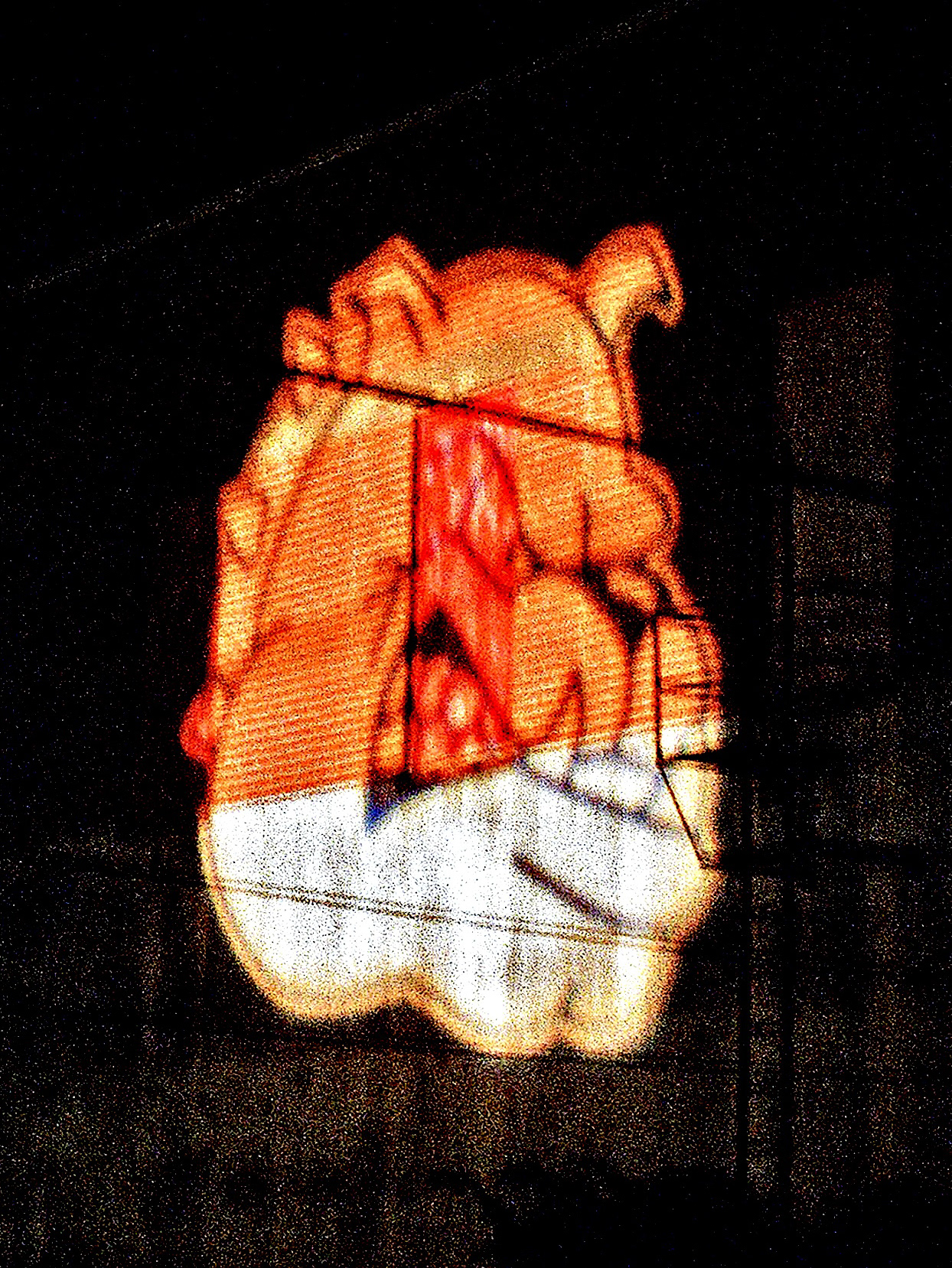
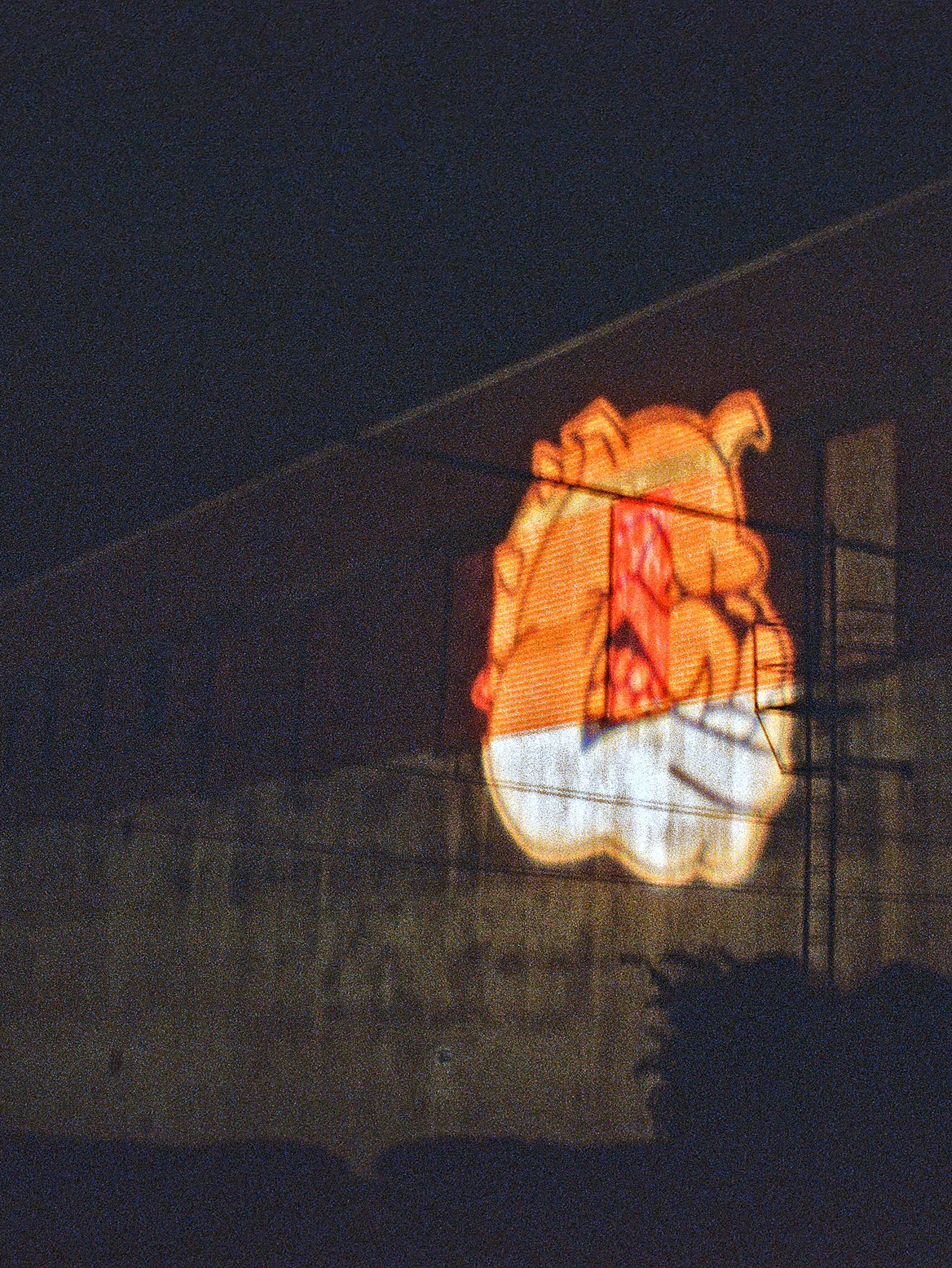
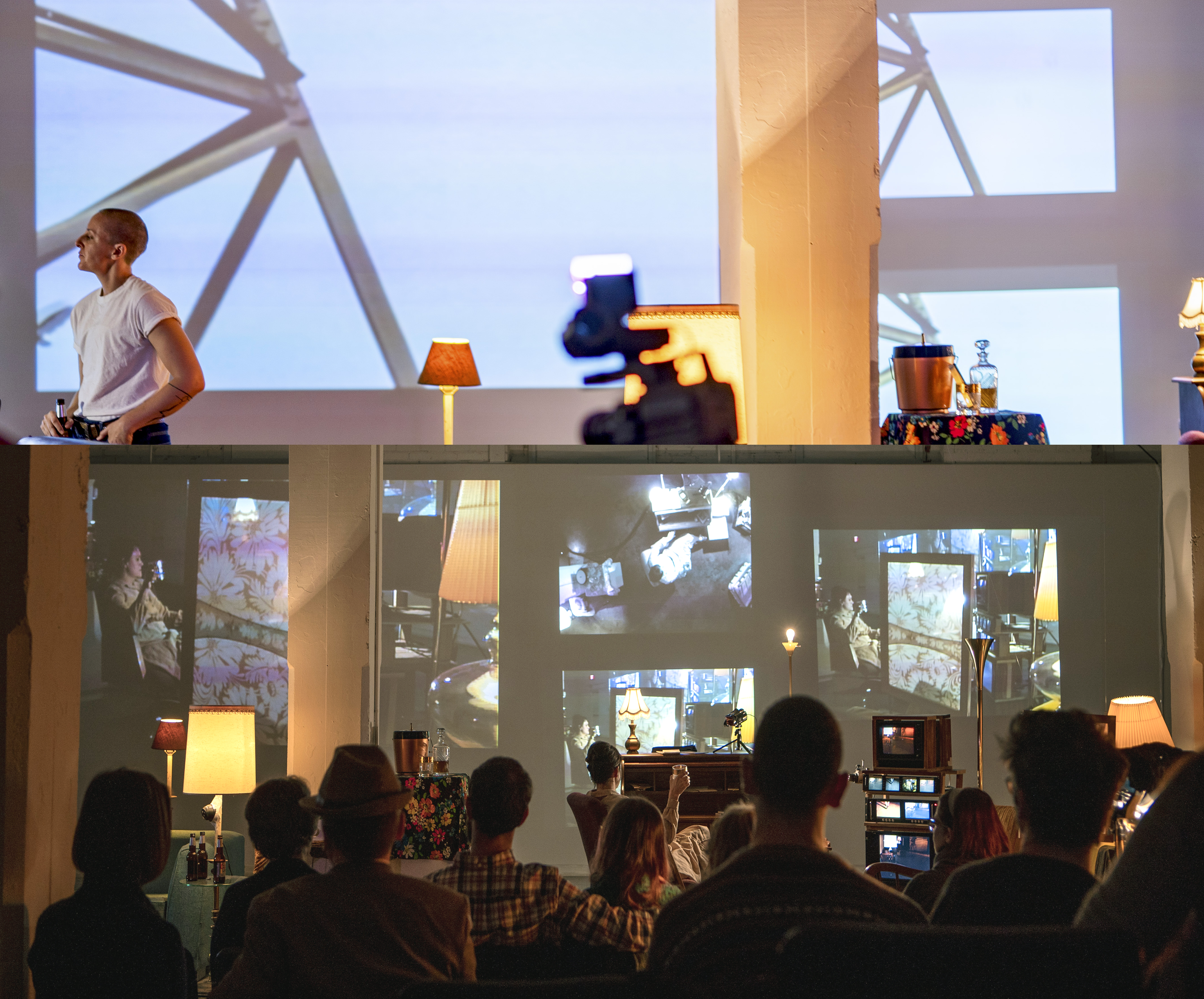
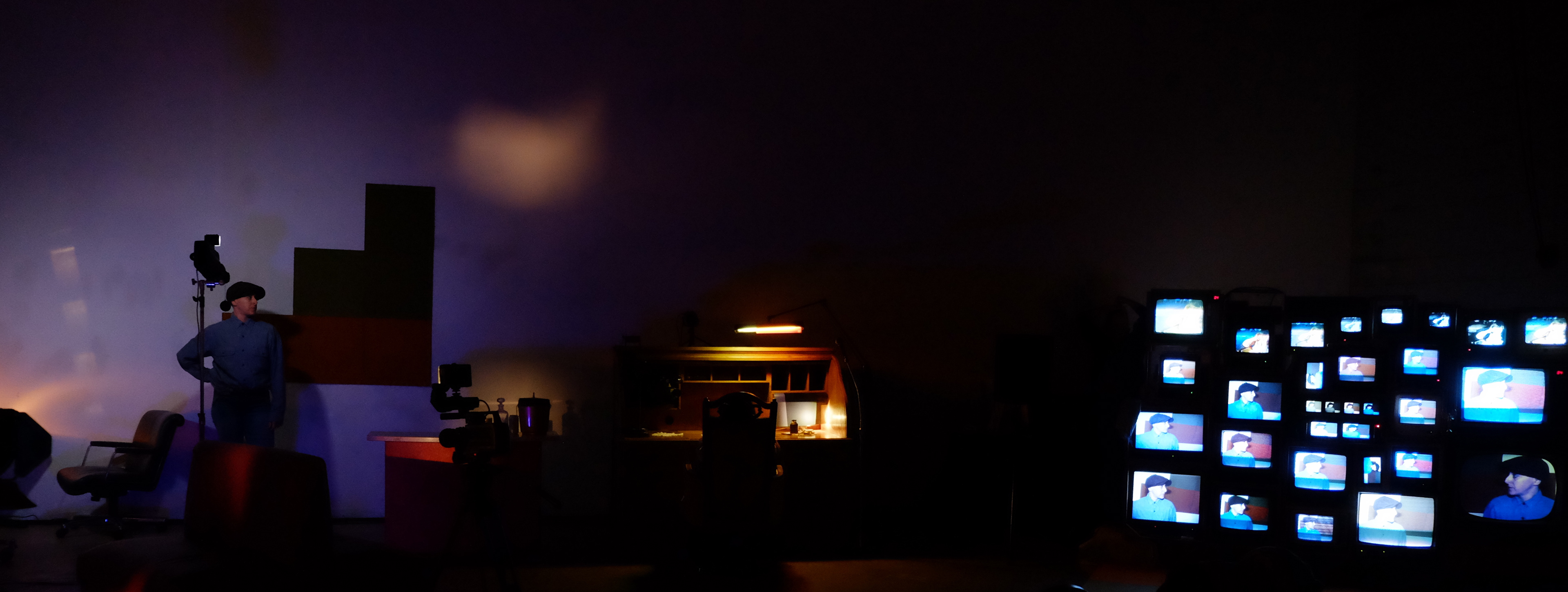
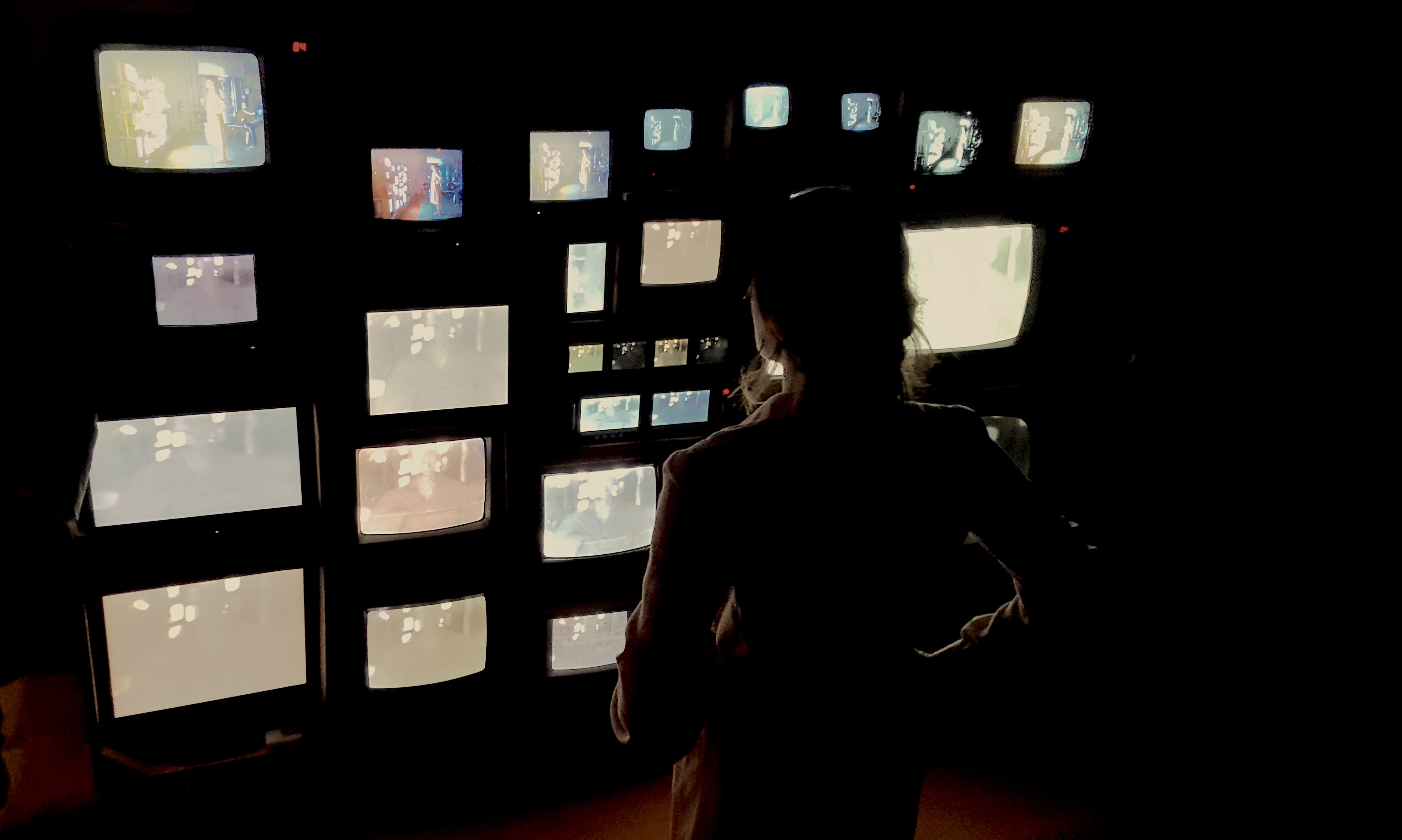
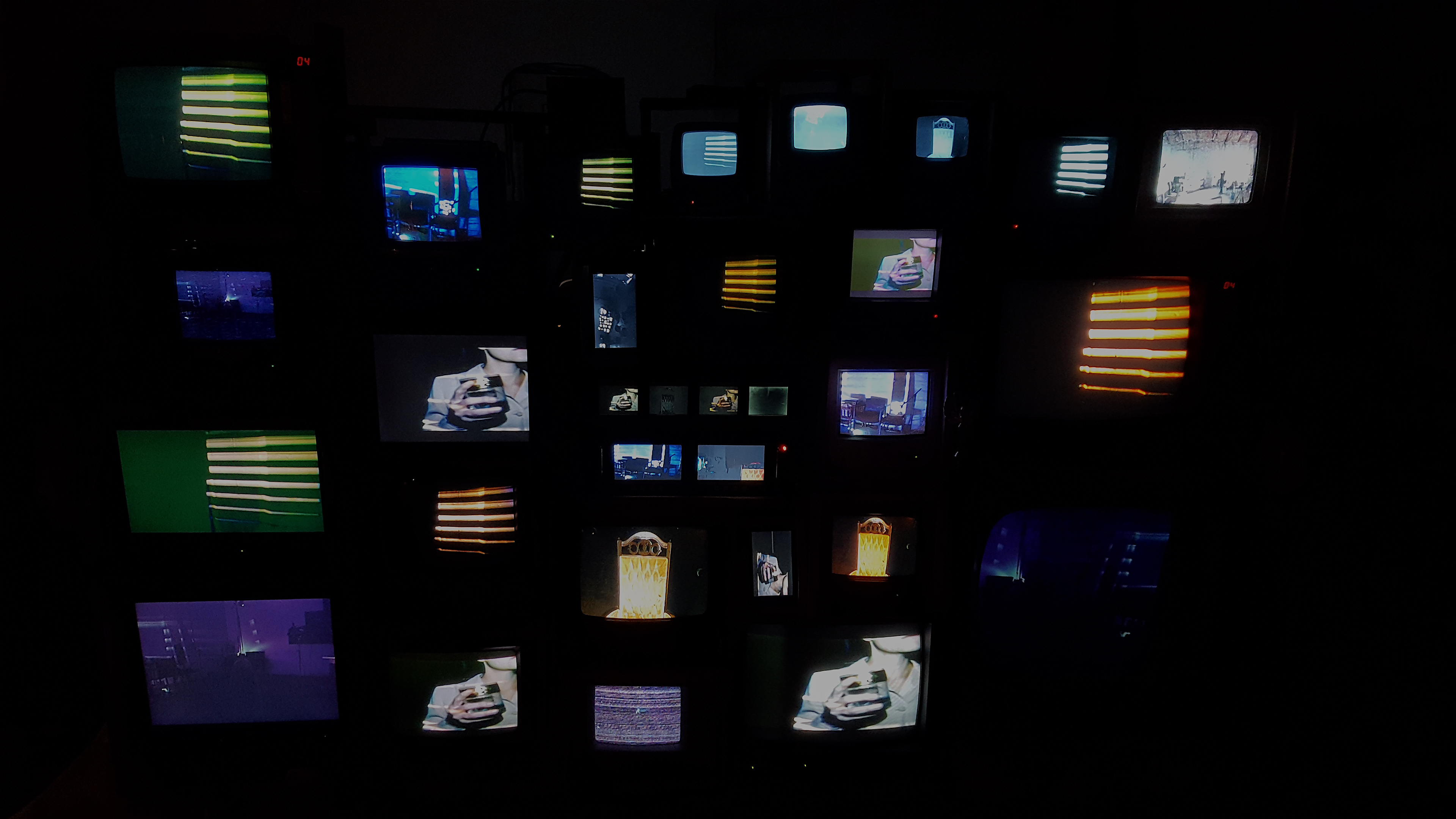
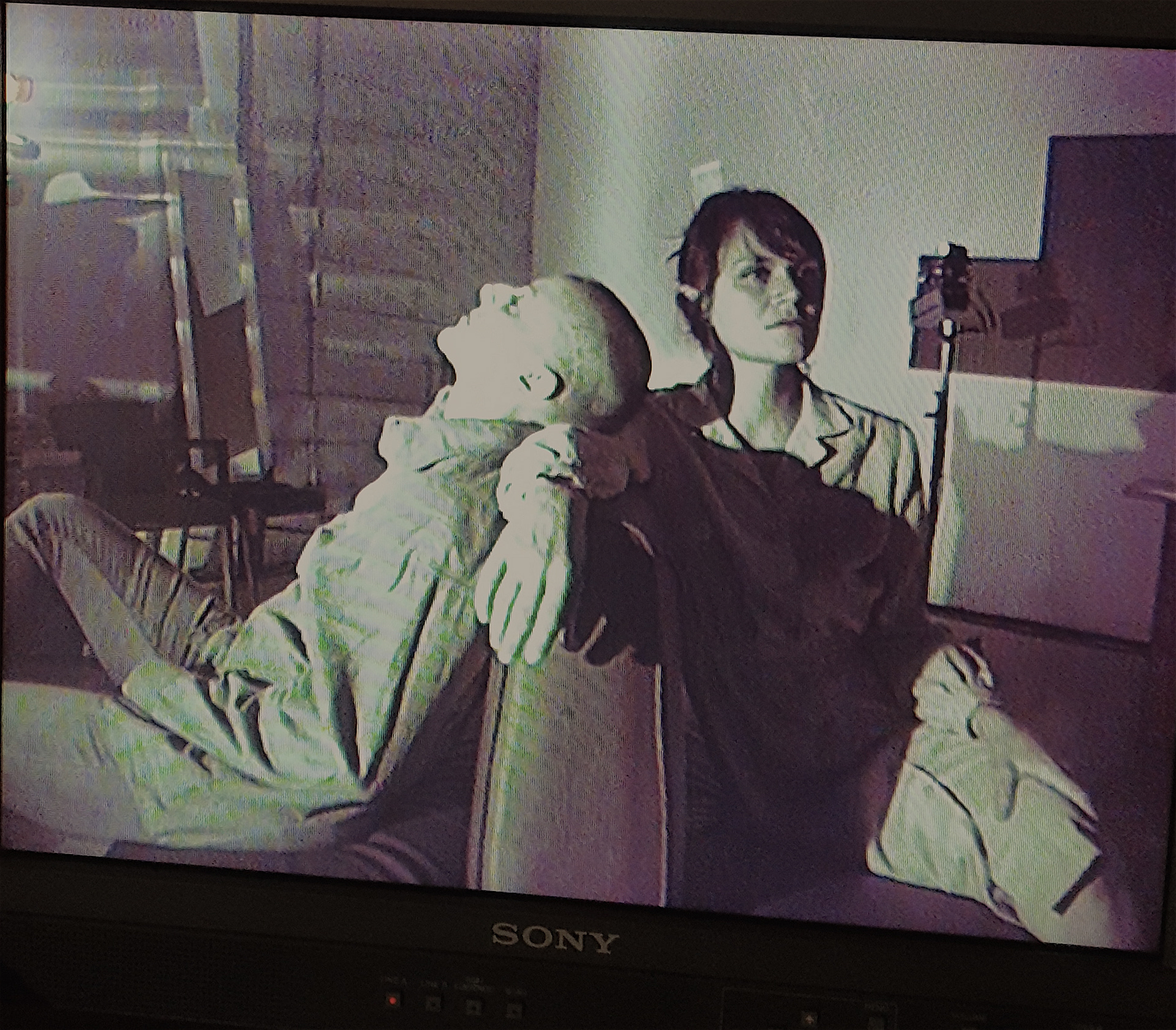
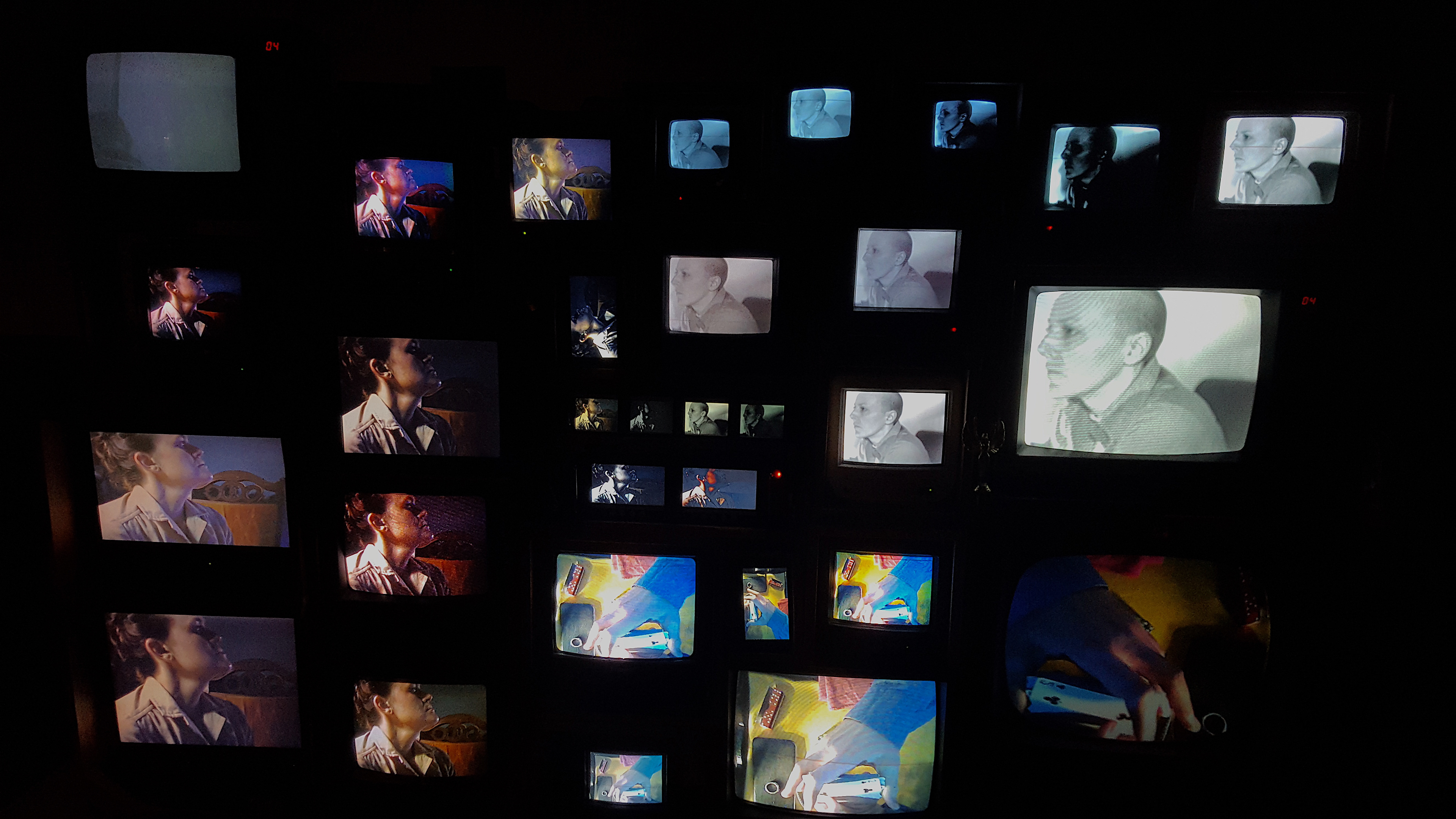
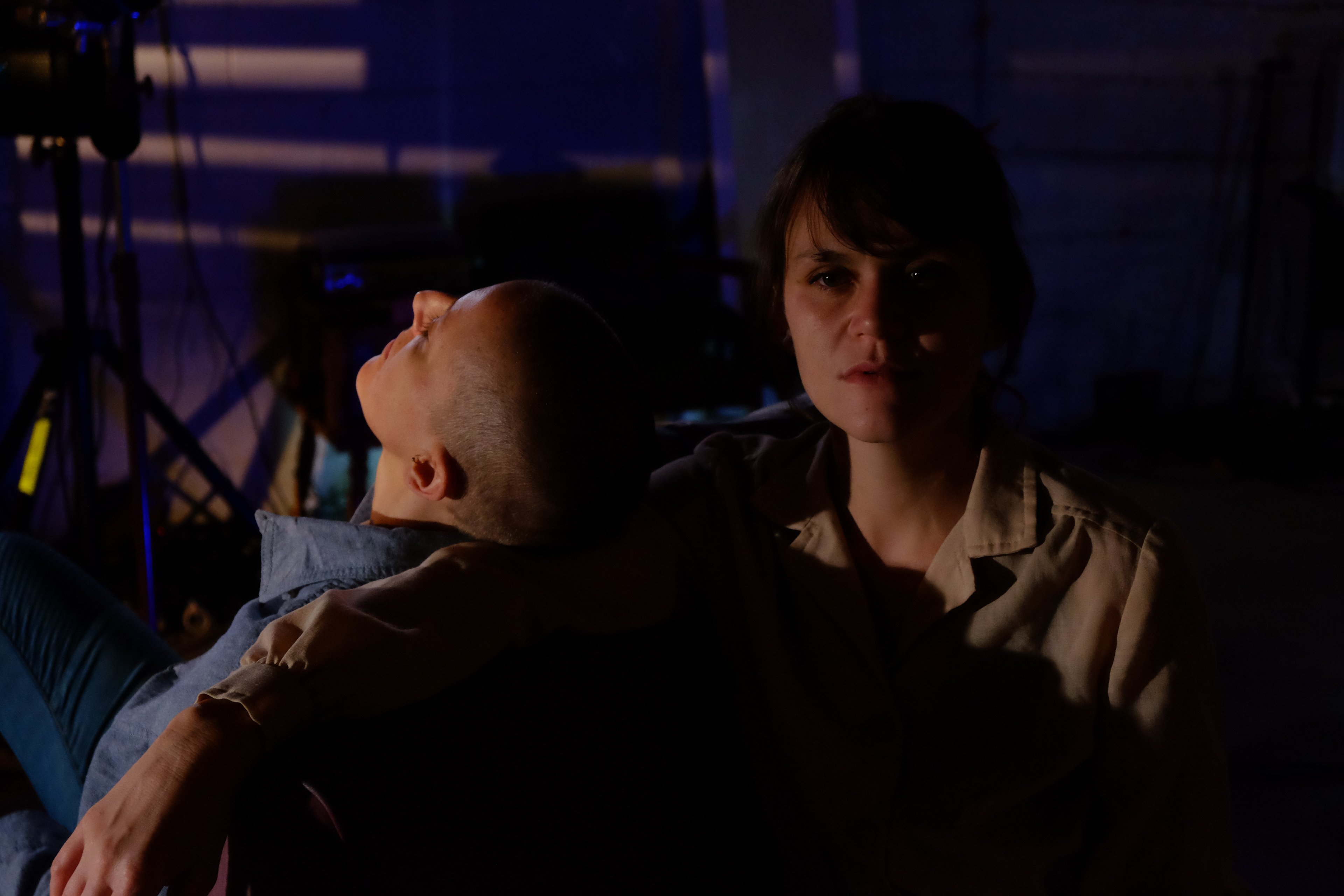
Over the course of an hour, audiences observe two performers onstage alongside a network of live camera feeds that capture, manipulate, and remix the action in real time. Performances are transformed into multiple signals, screens, and surfaces, exposing the mechanics of representation while constructing a layered cinematic experience before the audience's eyes.



Many Thanks to the Puffin Foundation for the support of this work.
Reviews for Mixtape:
“This show hit me between the eyes and shook my soul a bit. It was hard-edged and raw and yet balletic and quiet.....I needed this and I didn’t even know. I needed deep Southerness and complicated femininity It was beautiful and sometimes hard to watch. The script was cutting and brilliant. We sat in silence as the last song of the show played, stunned. Still drinking in the experience, not ready to applaud, and bring it to an end.” Aaron Sanders
"In Trinitron Mixtape we watch two lovers onstage; they are in the same theater, though they are not in the same worlds onstage. One is in prison, the other we assume is in her home; in their own way they are both incarcerated. We as the audience are able to witness them from a variety of perspectives (another wonderful metaphor for life, especially in the digital age). Though I did not actually count, what seems like half a dozen cameras are situated around the space, allowing the actors to be filmed as they speak in real time, and allowing the audience to witness their experience from a variety of gorgeously crafted stage pictures, which are simultaneously transmitted to a wall of screens. Like in the movies, what’s been staged for the screen to capture lacks a sense of genuineness; like in theater, there’s no hiding what we are actually witnessing." Lindsey Greer Sikes